Archive for the ‘the Romantic fragment’ Tag
Hell’s Printing House: Symposia Scholia (2006)
Filed under: Hell's Printing House | Tags: Canadian poetry, Gwendolyn MacEwan Poetry Prize, Hans-Georg Gadamer, poetry, poetry chapbooks, poetry recordings, symphilosophy, the Romantic fragment
 Leave a comment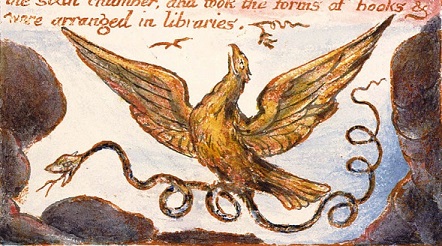
Aside from the pages of little magazines and those of certain, indulgent anthologies, by poems really first made their way in the world in the form of chapbooks. I hadn’t yet published a full-length trade edition, when I went on a “European tour” in 1996, reading in Munich (twice), Heidelberg, and Amsterdam, two self-published chapbooks, Gloze (1995) and On the Phantom Air Ship Mystery (1995), my calling cards.
Joachim Utz, the sponsor of my reading at Heidelberg University’s Anglistiches Seminar, observed that my chapbooks reminded him of William Blake’s. This new category of post takes its inspiration from his remark. “Hell’s Printing House” will showcase my chapbooks, describing them, detailing their contents, linking poems that have already been published at Poeta Doctus, and presenting a new recording of one of their poems.
It is hoped these posts fill the lacunae between full-length collections, assuring those (apparently) few (and valued) readers who follow my production with interest that I am hard at work, going my own direction, at my own pace, trusting those intrigued might be charmed enough to tarry along….
It’s seemed to me for some time now that very little anglophone poetry surpasses the compositional innovation of The Wasteland. That is certainly true of much of my own poetry, which is often, thoughtlessly, pegged as “experimental.” Being a reader of Ezra Pound as long as I’ve been a poet, little surprise, then, that I might mine the ideogrammic vein Pound first prospected, writing poems that are fragmented and polyphonic (in a manner, however much more minor, of The Wasteland). One inflection of this method appears in Ladonian Magnitudes, “Elenium.”
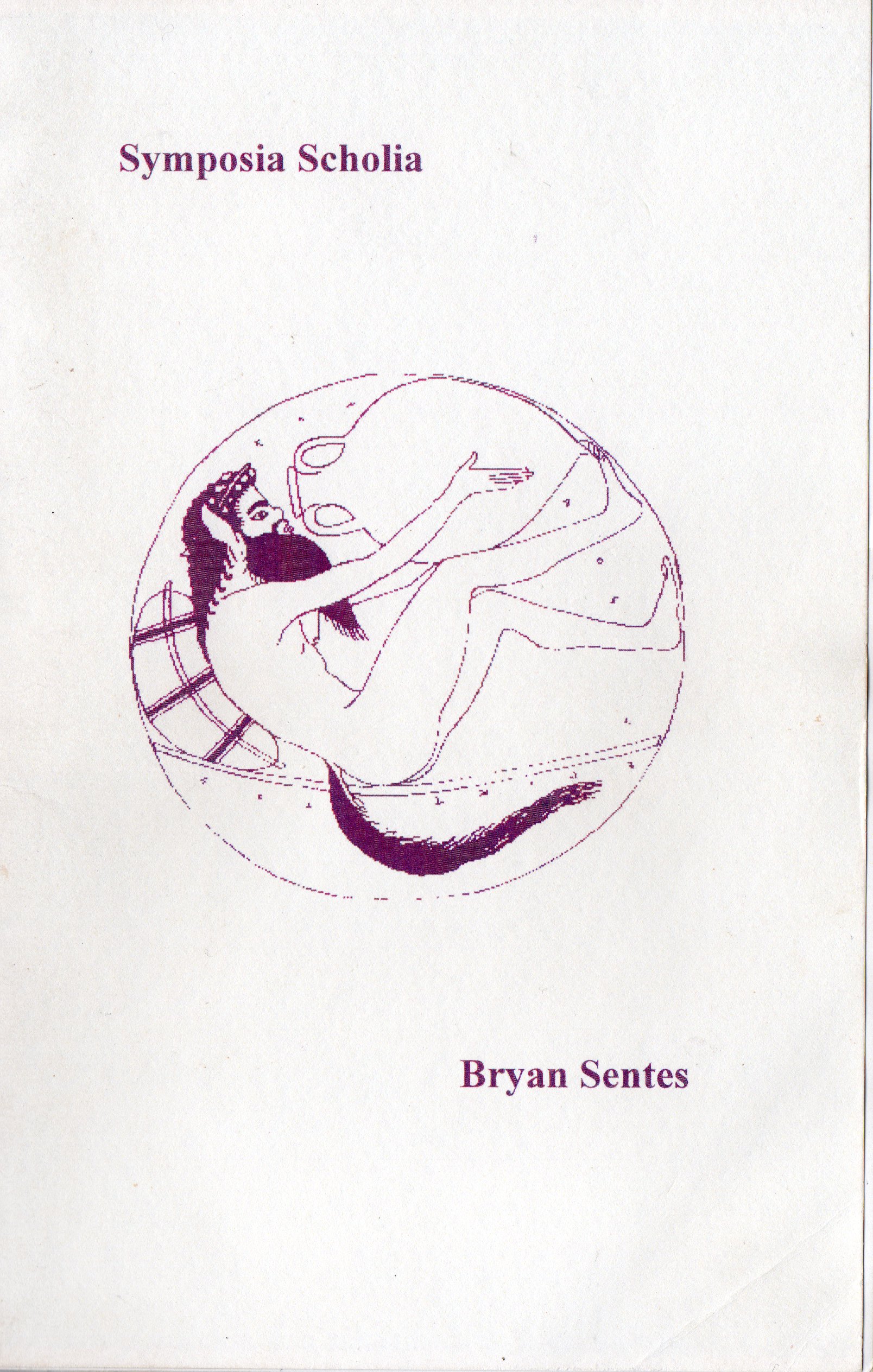
The parts of the poem collated as Symposia Scholia are composed in the same way, collaging striking scraps of conversation torn from good times spent with friends. The poem’s title invokes this inspiration, ‘symposia’ the plural of ‘symposium’, drinking party, and ‘scholia’ the equally antique Greek for “drinking song.” That the interlocutors were often learned is further implied by the modern connotation of ‘symposium’ and the rime of ‘scholia’ with ‘school’, ‘scholar’, and ‘scholarly’.
The poem bound in the chapbook has the following parts:
I. Madrigal
III. The third who talks beside us
IV. The Séance: a Rawdive Fugue
V. Rose Hill
That the poem appears, thus, incomplete is intentional (the same is true for the sequence Táncház), an incompleteness intended, in part, to mirror the reader’s own feeling of failing to get a firm interpretive grip on the poem’s parts, highlighting the way that any object, linguistic or otherwise, must finally elude a complete, final, “absolute” knowledge.
However much the poem fails to escape the gravity well of The Wasteland, I would point to even older influences. The form here rimes, in its own way, with the practice of the Jena Romantics in their collations of fragments published in The Athenaum. There, the collective effort wherein the individual contributors remained anonymous was intended to enact a symphilosophy. Nor should the theme of Plato’s dialogue The Symposium, eros, be thought irrelevant. And these rimes with symphilosophy and Platonic dialogue all fold into the contemporary concern with thinking-as-conversation so magisterially explored by the late Hans-Georg Gadamer (to whom a poem is dedicated in the latest poetry manuscript making-the-rounds…).
Symposia Scholia was short listed for the 2019 Gwendolyn MacEwan Poetry Prize.
Below, a version of the poem’s final section, “Rose Hill,” followed by a reading of it.
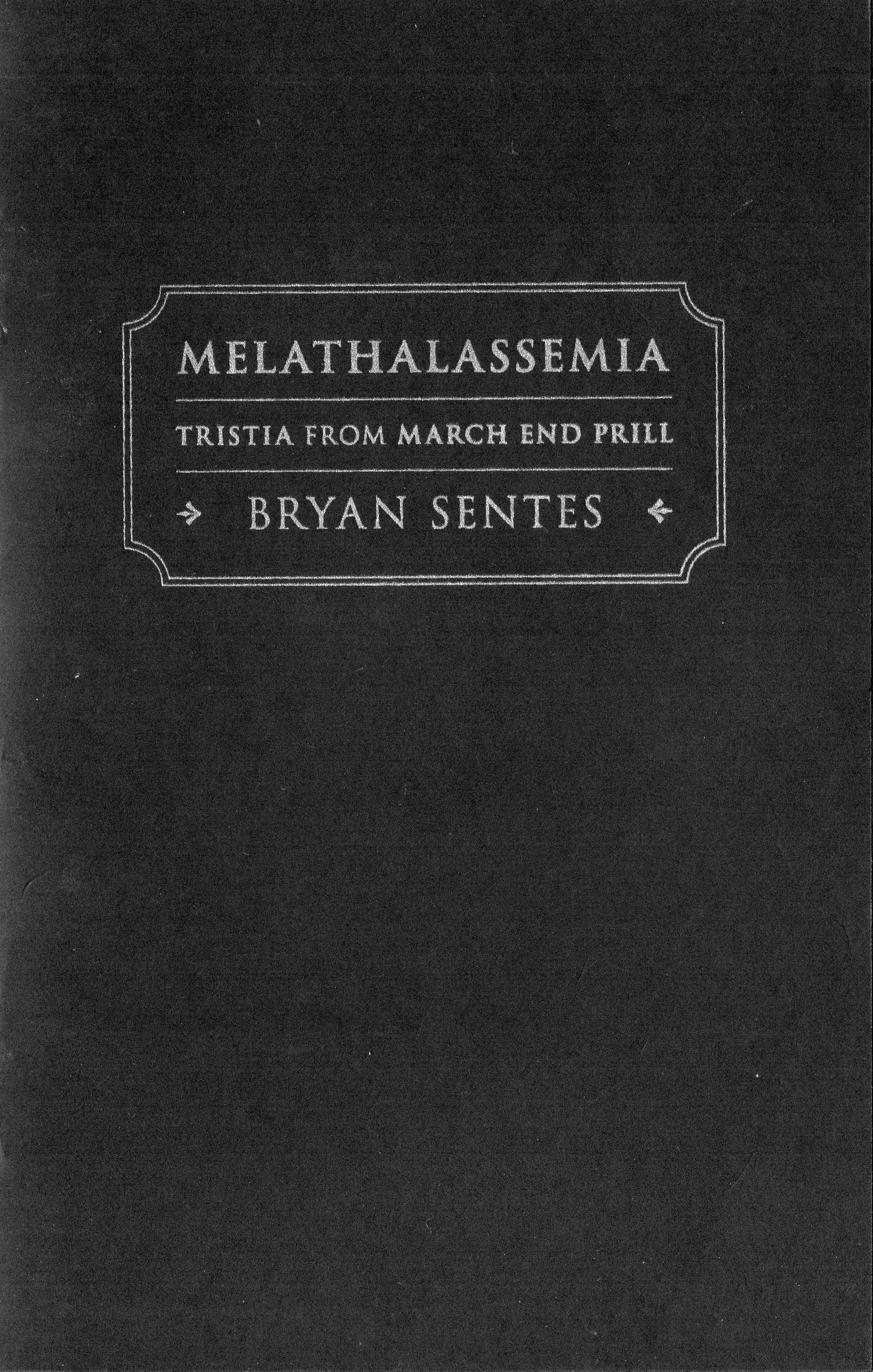
Next month: Melathalassemia: Tristia from March End Prill (2009).

 Poeta Doctus